Category: Natural
Latest Updates in Global Agriculture
Soil is the foundation of every farm. It’s not just dirt — it’s a living system that supports crops, stores water, and provides essential nutrients to plants. For farmers, taking care of the soil isn’t just good practice — it’s the key to long-term success and sustainability. Healthy soil leads to stronger plants, higher yields, and better resistance to drought, pests, and diseases. When soil is in poor condition, even the best seeds and fertilizers may not produce the results you expect. That’s why understanding soil health is one of the most valuable skills any farmer can have. One of the most important signs of good soil is the presence of life — worms, microbes, and insects all play a role in keeping the soil fertile. These tiny organisms help break down organic matter and make nutrients available to crops. Soil that is dark, rich, and loose is usually full of life and ready to grow.
How to Keep Your Soil Fertile
Farmers can improve soil health over time by feeding the soil with natural materials like compost or manure, giving it time to rest between crops, and avoiding practices that damage its structure. Chemicals should be used wisely, as too much can harm the natural balance of life in the soil. Tilling should also be limited where possible, since it can break down the soil’s natural structure and increase the risk of erosion.
Why Is Soil Health Important?
Good soil doesn’t happen by accident — it’s built through years of thoughtful care. By paying attention to what the soil needs and supporting its natural processes, farmers can keep their land productive and profitable for generations. Taking care of your soil is one of the smartest investments you can make. When the soil is healthy, everything else on the farm works better too.
- Use compost, manure, or green plant waste to feed the soil and make it soft and rich.
- Change what you plant in each area every season. Different crops use different nutrients.
- Grow plants like clover or mustard after harvest to protect and feed the soil.
- Too much digging breaks the soil structure and harms good microbes. Try low or no-till methods.
Signs of Healthy Soil
Soil is not just the ground we walk on — it’s a living, dynamic part of every farm. For farmers, soil is the first and most important tool they have. Healthy soil can mean the difference between a strong harvest and a poor one. It affects plant growth, water use, disease resistance, and even farm costs. That’s why every farmer, whether growing on one acre or one hundred, should understand how soil health works and how to maintain it for the long term.
Good soil is full of life. Beneath the surface, it contains millions of tiny organisms — bacteria, fungi, worms, and insects — all working together to feed plants and maintain balance. These organisms break down organic matter like plant residues or manure, turning them into nutrients that crops can use. When this cycle is active and well-supported, your soil becomes more fertile, holds water better, and stays loose and breathable for roots to grow.
Focusing on plant-based natural skincare
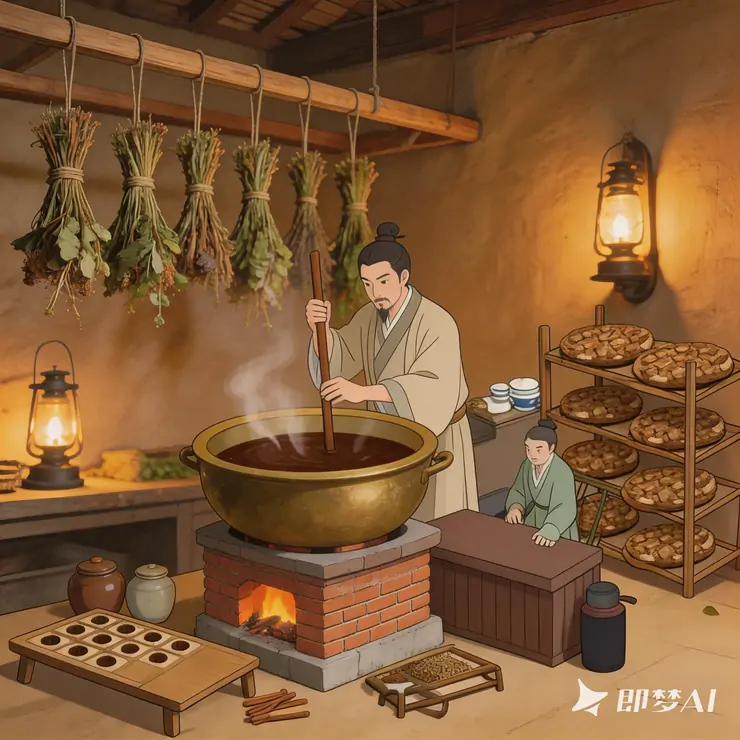
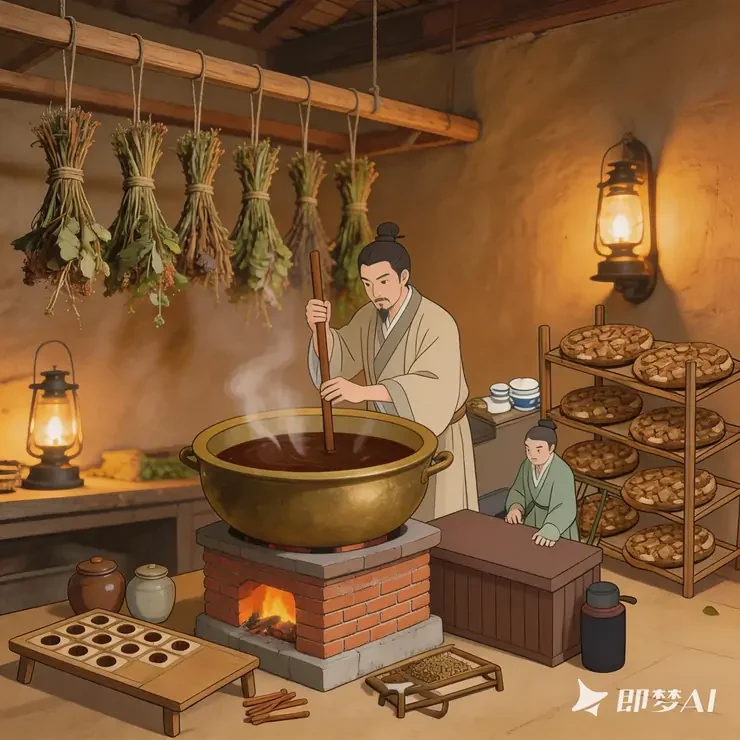
In 2015, the company drew inspiration from the health preservation philosophy of “preventive care before disease onset” outlined in the Huangdi Neijing (Yellow Emperor’s Inner Canon), selected the essence of traditional Chinese herbal medicines, and meticulously developed and formulated a range of herbal moxibustion products, achieving fully mechanized production. Additionally, our company has consistently focused on the research and production of essential oils. In facial skincare, we have departed from conventional skincare concepts by introducing the innovative concept of “essential oil skincare.” By utilizing imported essential oil ingredients instead of traditional fragrances and flavorings, we deliver truly safe, effective, and reliable products to our customers, setting a new benchmark for “pure plant-based essential oil skincare” within the industry.
Global Origin
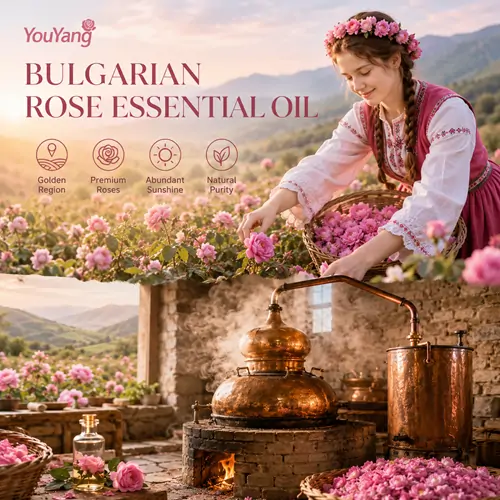
Since the company’s establishment, we have maintained not only a long-term technical collaboration and mutual personnel exchange with Taiwan’s Fenise, but also established enduring friendly cooperative agreements with Bulgaria Rose Co., Ltd., France’s Provence Les Agnels lavender cultivation and distillation estate.
Focusing on plant-based natural skincare
Furthermore, our company has consistently focused on the research and production of essential oils. In facial skincare, we have challenged traditional skincare concepts by introducing the innovative “essential oil skincare” approach. By utilizing imported essential oil ingredients instead of conventional fragrances and flavors, we deliver truly safe, effective, and reliable products, setting a new benchmark for “pure plant-based essential oil skincare” in the industry.
Credibility and integrity
We firmly uphold the core values of “Integrity, Responsibility, Innovation, and Dedication,” striving to become a leader in China’s cosmetics OEM industry and a highly respected domestic enterprise. To achieve this goal, we continuously enhance our technical capabilities and business development skills, driving innovation through technological advancements to elevate the brilliance of our high-quality products. Meanwhile, Youyang places equal emphasis on talent cultivation, offering comprehensive training programs tailored to employees’ needs and providing ample career advancement opportunities, thereby fostering a sense of value, honor, and belonging among our staff.
Herbal Mud Moxibustion – Traditional Wellness Meets Modern Skincare
Herbal Mud Moxibustion is one of the signature wellness therapies developed by Guangzhou YouYang Cosmetics Co., Ltd., combining traditional Chinese herbal culture with modern skincare technology. Inspired by the ancient principles of moxibustion therapy, this innovative treatment blends natural mineral mud with carefully selected Chinese herbal extracts and plant essential oils to create a unique warming and relaxing skincare experience.
Herbal Mud Moxibustion
The herbal mud is applied to specific areas of the body, where gentle heat helps promote comfort, relaxation, and a soothing sensation. Enriched with natural botanical ingredients, the formula is designed to nourish the skin while delivering an enjoyable spa-like experience. The texture is smooth, easy to apply, and suitable for professional beauty salons, wellness centers, and home care use.
The first line
YouYang was one of the first companies in Guangzhou to introduce an automated herbal mud moxibustion production line, bringing higher efficiency, stable quality, and safer manufacturing standards to the industry. Through years of research and development, the company has created multiple customized formulations to meet different market demands and customer preferences.
- Deep Herbal Warming
- Natural Body Detox
- Traditional Chinese Therapy
- Relax, Restore, Rejuvenate
Tradition and Modernity
Today, Herbal Mud Moxibustion has become a popular category in wellness and body care products, especially among consumers seeking natural, herbal-inspired beauty solutions. By combining traditional Chinese herbal wisdom with advanced cosmetic manufacturing technology, YouYang continues to provide innovative and high-quality products for global partners and beauty brands.
The Birth of Traditional Chinese Medicine Aromatherapy
In 2003, Ms.Zhu Xiaoyan was in Taiwan.
With the support of Zuoyang Technology, we have begun to
Starting a business in Guangzhou and creating your own essential oils
career
Herbal Moxibustion
In 2015, Youyang developed Guang.
The first automated clay-massage jar packaging system in the state
Production line, and launched the industry’s first
Herbal Medicinal Moxibustion Product
Chinese-style Aromatherapy
In 2020, Youyang launched a comprehensive brand strategy upgrade, committed to establishing a new benchmark for the “Chinese-style aromatherapy” concept in the cosmetics industry.
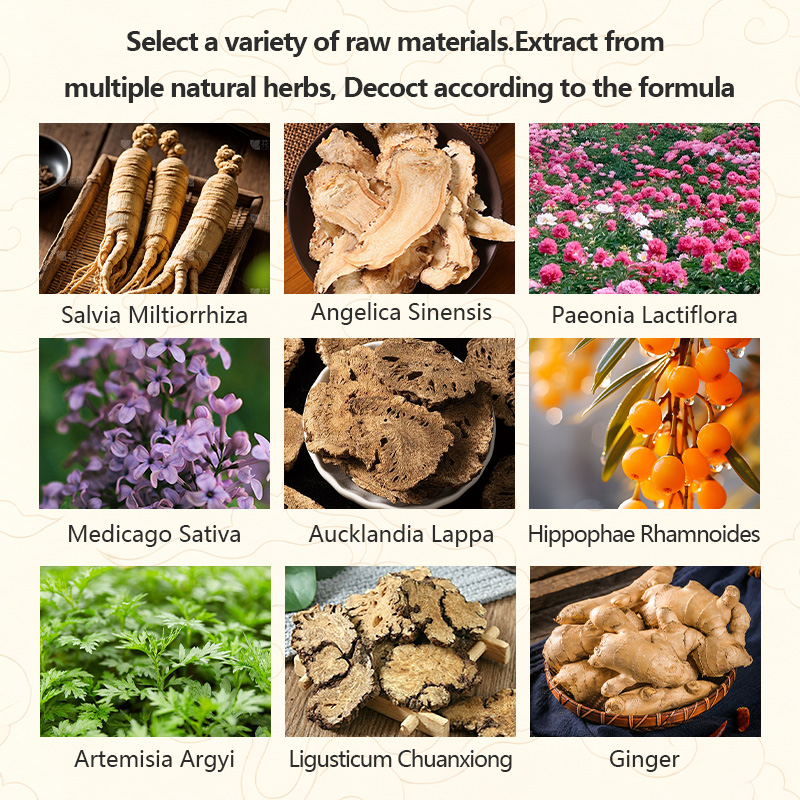
- Plant raw material
- Traditional Herbal Medicine
- Traditional Method
- Modern Technology
How Drones Are Changing Farming
Soil is the foundation of every farm. It’s not just dirt — it’s a living system that supports crops, stores water, and provides essential nutrients to plants. For farmers, taking care of the soil isn’t just good practice — it’s the key to long-term success and sustainability. Healthy soil leads to stronger plants, higher yields, and better resistance to drought, pests, and diseases. When soil is in poor condition, even the best seeds and fertilizers may not produce the results you expect. That’s why understanding soil health is one of the most valuable skills any farmer can have. One of the most important signs of good soil is the presence of life — worms, microbes, and insects all play a role in keeping the soil fertile. These tiny organisms help break down organic matter and make nutrients available to crops. Soil that is dark, rich, and loose is usually full of life and ready to grow.
How to Keep Your Soil Fertile
Farmers can improve soil health over time by feeding the soil with natural materials like compost or manure, giving it time to rest between crops, and avoiding practices that damage its structure. Chemicals should be used wisely, as too much can harm the natural balance of life in the soil. Tilling should also be limited where possible, since it can break down the soil’s natural structure and increase the risk of erosion.
Why Is Soil Health Important?
Good soil doesn’t happen by accident — it’s built through years of thoughtful care. By paying attention to what the soil needs and supporting its natural processes, farmers can keep their land productive and profitable for generations. Taking care of your soil is one of the smartest investments you can make. When the soil is healthy, everything else on the farm works better too.
- Use compost, manure, or green plant waste to feed the soil and make it soft and rich.
- Change what you plant in each area every season. Different crops use different nutrients.
- Grow plants like clover or mustard after harvest to protect and feed the soil.
- Too much digging breaks the soil structure and harms good microbes. Try low or no-till methods.
Signs of Healthy Soil
Soil is not just the ground we walk on — it’s a living, dynamic part of every farm. For farmers, soil is the first and most important tool they have. Healthy soil can mean the difference between a strong harvest and a poor one. It affects plant growth, water use, disease resistance, and even farm costs. That’s why every farmer, whether growing on one acre or one hundred, should understand how soil health works and how to maintain it for the long term.
Good soil is full of life. Beneath the surface, it contains millions of tiny organisms — bacteria, fungi, worms, and insects — all working together to feed plants and maintain balance. These organisms break down organic matter like plant residues or manure, turning them into nutrients that crops can use. When this cycle is active and well-supported, your soil becomes more fertile, holds water better, and stays loose and breathable for roots to grow.

Tech Trends in Farming 2025
Soil is the foundation of every farm. It’s not just dirt — it’s a living system that supports crops, stores water, and provides essential nutrients to plants. For farmers, taking care of the soil isn’t just good practice — it’s the key to long-term success and sustainability. Healthy soil leads to stronger plants, higher yields, and better resistance to drought, pests, and diseases. When soil is in poor condition, even the best seeds and fertilizers may not produce the results you expect. That’s why understanding soil health is one of the most valuable skills any farmer can have. One of the most important signs of good soil is the presence of life — worms, microbes, and insects all play a role in keeping the soil fertile. These tiny organisms help break down organic matter and make nutrients available to crops. Soil that is dark, rich, and loose is usually full of life and ready to grow.
How to Keep Your Soil Fertile
Farmers can improve soil health over time by feeding the soil with natural materials like compost or manure, giving it time to rest between crops, and avoiding practices that damage its structure. Chemicals should be used wisely, as too much can harm the natural balance of life in the soil. Tilling should also be limited where possible, since it can break down the soil’s natural structure and increase the risk of erosion.
Why Is Soil Health Important?
Good soil doesn’t happen by accident — it’s built through years of thoughtful care. By paying attention to what the soil needs and supporting its natural processes, farmers can keep their land productive and profitable for generations. Taking care of your soil is one of the smartest investments you can make. When the soil is healthy, everything else on the farm works better too.
- Use compost, manure, or green plant waste to feed the soil and make it soft and rich.
- Change what you plant in each area every season. Different crops use different nutrients.
- Grow plants like clover or mustard after harvest to protect and feed the soil.
- Too much digging breaks the soil structure and harms good microbes. Try low or no-till methods.
Signs of Healthy Soil
Soil is not just the ground we walk on — it’s a living, dynamic part of every farm. For farmers, soil is the first and most important tool they have. Healthy soil can mean the difference between a strong harvest and a poor one. It affects plant growth, water use, disease resistance, and even farm costs. That’s why every farmer, whether growing on one acre or one hundred, should understand how soil health works and how to maintain it for the long term.
Good soil is full of life. Beneath the surface, it contains millions of tiny organisms — bacteria, fungi, worms, and insects — all working together to feed plants and maintain balance. These organisms break down organic matter like plant residues or manure, turning them into nutrients that crops can use. When this cycle is active and well-supported, your soil becomes more fertile, holds water better, and stays loose and breathable for roots to grow.